Tradition, revisited
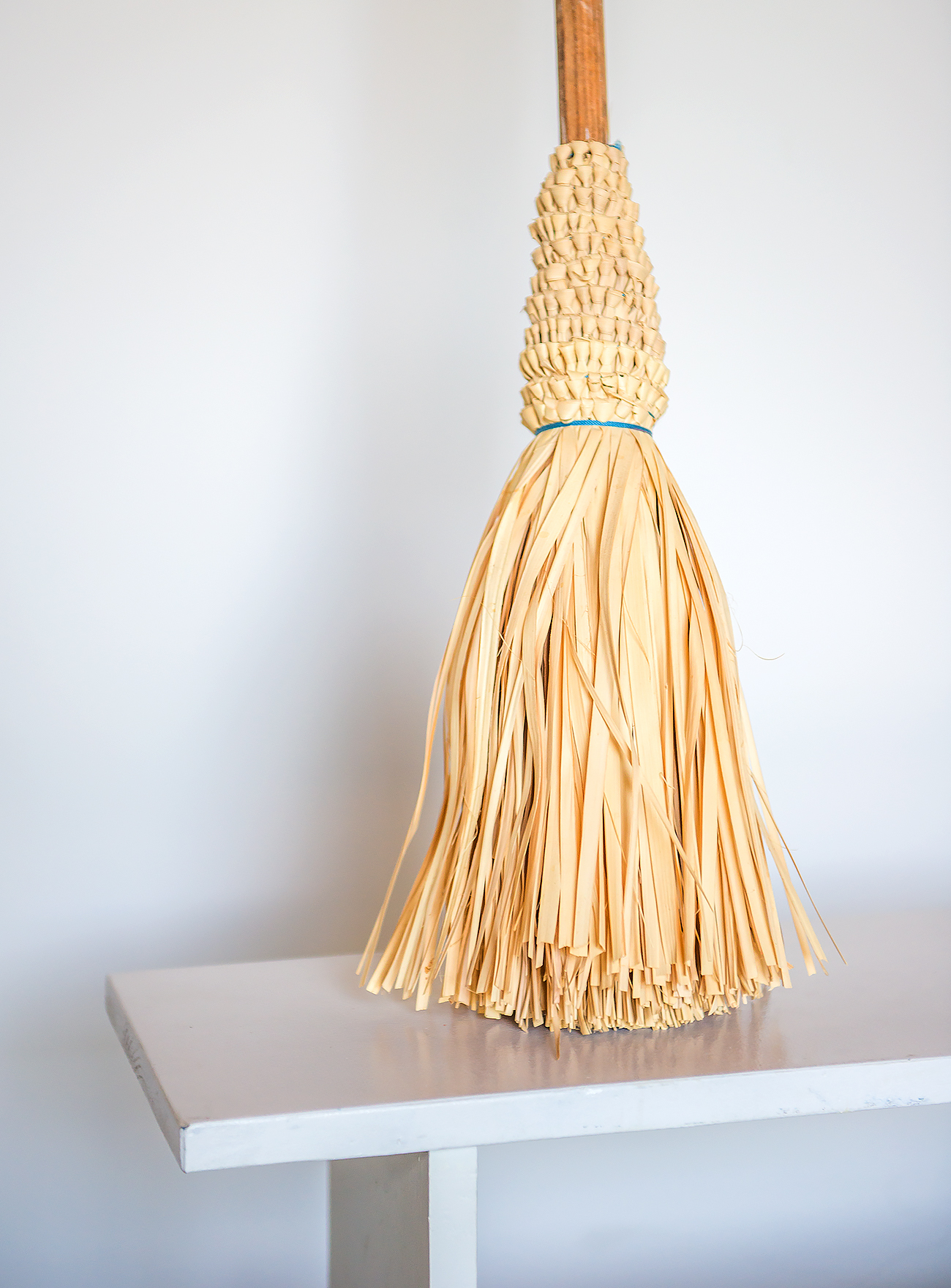
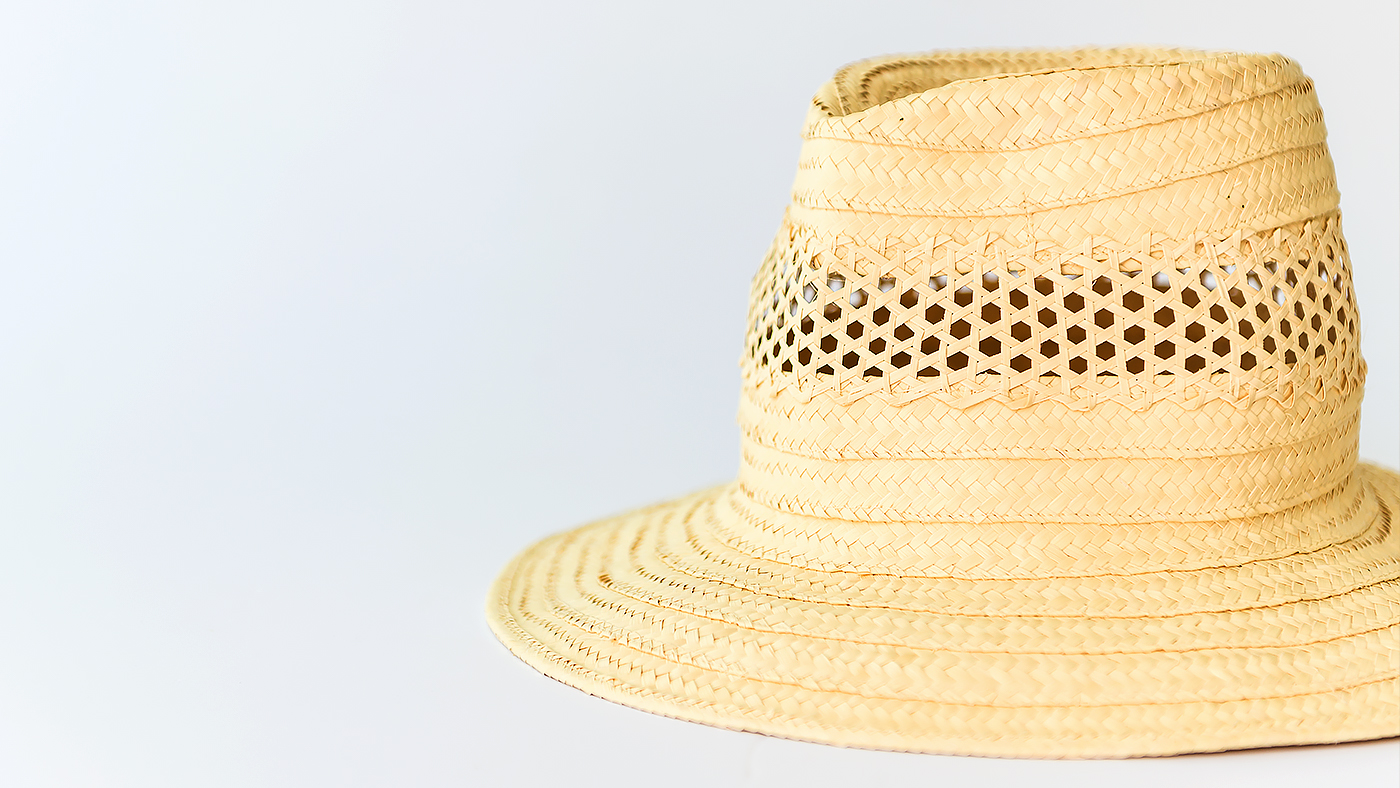
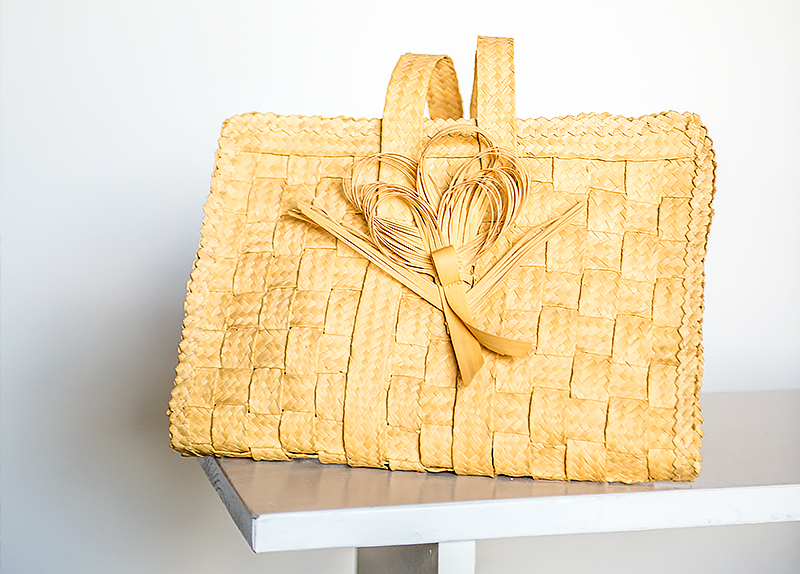
It may not be immediately apparent today, but at the heart of St. Barth’s world-renowned reputation lies a rich history in beautiful straw works. From hats to baskets to children’s toys, these intricately braided creations became both a symbol of cultural heritage and a vital source of income for the island. Thousands of straw hats were exported every year, and unlike souvenir versions of similar styles in other locales, the famous St. Barth straw hat needed no indication of origin—it was the original Panama hat. While the entrepreneurial spirit of successive generations carried the island’s economy into modernity, today a small group of St. Barth women carry on the special tradition of this painstaking craft. The complex movement of the long straw plaits between the fingers of these talented artisans serves as a remembrance of a once-vibrant industry that reached international popularity.
History
The simple craft of weaving existed in St. Barth as a form of handiwork practiced at home from the time of the earliest settlers, and by the late 19th century, dried leaves of the Latania palm tree were being imported from other Caribbean islands for a large sum. In 1890, Pere Morvan completely changed the game, eliminating the need for imports by bringing seedlings to St. Barth and planting them near Corossol and Flamands. Poor families living in these neighborhoods saw in this new development a way to prosper, and hat-making quickly brought unprecedented activity to previously idled areas. International traders would stop by to place large orders, and all family members had to do their part, sometimes weaving late into the evening guided only by candles or moonlight. St. Barth’s straw-weaving industry gained even more ground in 1925, when Blanche Petterson, a skilled craftswoman from St. Martin, brought to the island an improved method of hat-making, greatly elevating the quality and introducing various decorative braiding techniques.
Botany
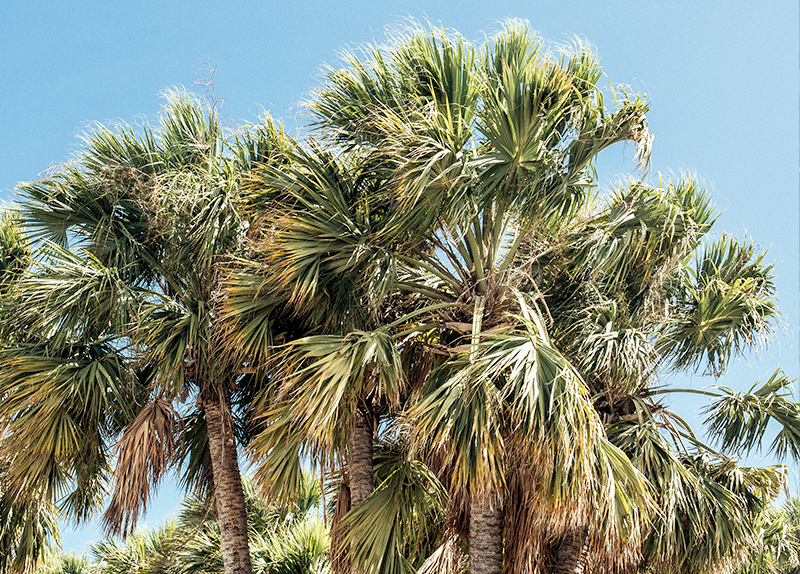
The Latania, also known as the Latan Palm, is a slow-growing, single trunk palm that can reach as tall as 30 feet when mature. It is recognizable by its wide, fan-shaped fronds. The Latania’s high tolerance to both drought and salty air allowed it to survive in St. Barth’s frequently harsh conditions. Like other palms, it is naturally adapted to the challenges of tropical storms and hurricanes, so while high winds might denude a plant of its fronds, it would survive to produce more.
Method
The process of preparing the palm fronds includes several steps. The Latania leaves must first be dried, then carefully prepared for plaiting (or braiding) into the uniform and usable strands . During the drying process, it’s necessary to make strands that are as flexible and pale as possible in order to ensure malleability and the finest color. Only the youngest fan-shaped leaves near the top of the tree are used, and only before they have opened. The fronds are each cut by hand, unfolded and the leaflets are separated from each other. They are then hung outdoors to dry in the sun for two weeks, taken in every night to protect from possible rain—moisture would cause them to become brittle and change color. Once the leaves are dried, the strands are plaited in one of seven ways, each of which gives the ultimate product a particular look. To ensure uniformity when creating the strands, the thick edges of the frond are removed and what remains is cut into long, equally sized strips running the length of the leaf. Once plaited, they are kept in rolls until needed for a specific creation. Though the process has been honed and improved, the work of today’s rare artisans on St. Barth is fundamentally the same as in generations past — a living reflection of a valuable and cherished heritage.